
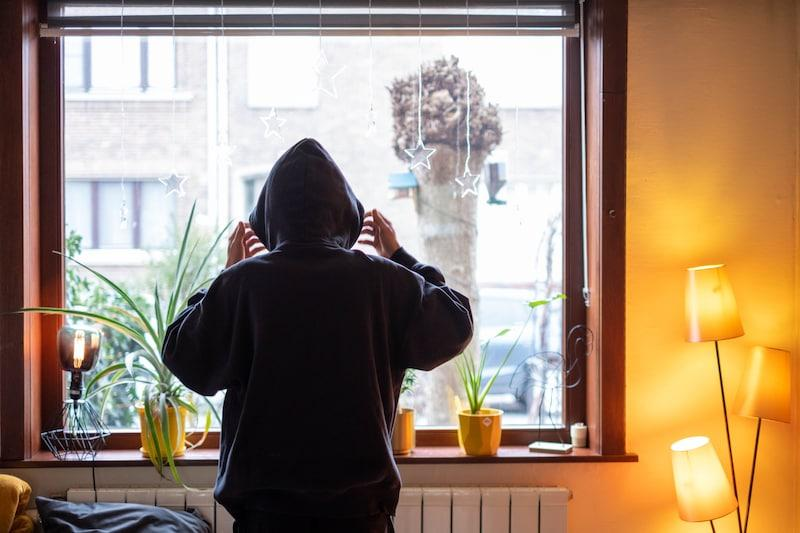
Adolescence can be an exciting time, but it can also feel confusing and overwhelming. Young people are managing many changes at once: becoming more independent, working out who they are, navigating friendships and relationships, coping with school or college pressures, and dealing with expectations from themselves and others.
Sometimes it can be difficult for a young person to explain what they are feeling, particularly to the people closest to them. They may worry about being judged, misunderstood or causing concern. Counselling offers a private and supportive space where they can begin to explore what is happening for them at their own pace.
How counselling can help
Young people may come to counselling for many different reasons, including:
- Anxiety, low mood or feeling overwhelmed
- Low self-esteem or lack of confidence
- School, college or exam pressures
- Friendship or relationship difficulties
- Family changes or conflict
- Bullying or feeling left out
- Anger, frustration or difficulty managing emotions
- Loss, bereavement or other difficult experiences
- Questions about identity, belonging or the future
- Feeling stuck, unmotivated or unsure of themselves
A young person does not need to have a diagnosis or be experiencing a crisis to benefit from counselling. Sometimes they simply need a space where they can talk openly and make sense of their thoughts and feelings with someone outside their family, school and friendship groups.
My approach
My approach is warm, relational and flexible. I take time to get to know each young person as an individual, rather than focusing only on the difficulty that has brought them to counselling.
Sessions are not about being questioned, judged or told what to do. We may talk about what is happening in the present, explore how earlier experiences may be affecting them now, and look together at patterns in their thoughts, feelings and relationships. Where helpful, I may also use creative activities or practical exercises, particularly when putting feelings into words is difficult.
The young person can choose what they would like to explore and does not have to discuss anything before they feel ready. Building trust takes time, and the pace of the work will be guided by their individual needs.
Confidentiality and parents
It is important that teenagers feel counselling is their own private space. What they share in sessions is therefore treated confidentially, unless I am concerned that they or someone else may be at risk of serious harm. I explain confidentiality and its limits clearly at the beginning so that everyone understands how it works.
Parents and carers can play an important role in supporting the young person. Depending on their age and circumstances, I may initially meet with a parent or carer to learn more about their concerns. However, I will always be mindful of the young person’s privacy and involve them in conversations about what can be shared.
Beginning counselling
It is understandable for a young person to feel uncertain about meeting a counsellor, especially if counselling was initially suggested by an adult. The first session is an opportunity for us to meet, talk about what counselling might be like and see how they feel about working with me. They do not need to arrive knowing what to say, and they will not be expected to tell their whole story straight away.
The aim is to create a space where they can feel heard, understood and accepted, while gradually developing a stronger understanding of themselves and finding their own way forward.